Circular outcomes you can measure

We keep materials in circulation and measure success by outcomes. Landfill diversion, local re-manufacturing and reduced virgin resource use.

The problem we solve

Landfill is not a recycling outcome.

Australia’s waste system struggles with soft plastics.

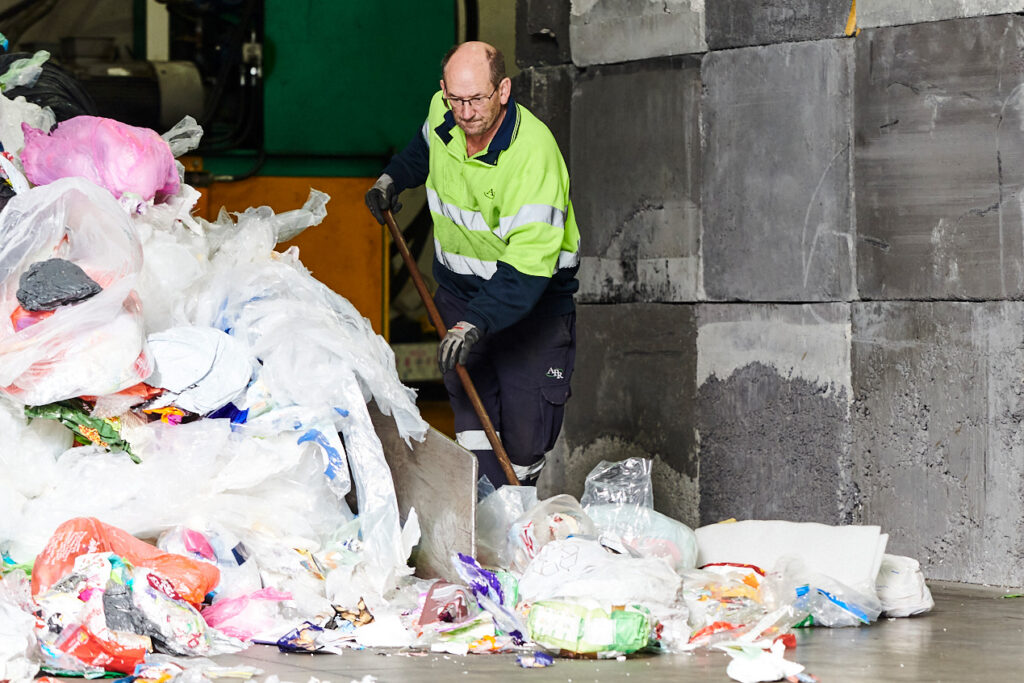
Flexible plastics damage sorting equipment, contaminate recycling streams and are often sent to landfill. Soft plastics can’t be exported unless they have been processed (into pellets) first. They are one of the most widely used materials in Australia, and one of the least effectively recycled.

APR Recycling built a model to solve this specifically, by separating soft plastics, processing them locally and turning them into valuable industrial inputs.

What our circular model achieves.

From waste to resource, without leaving the region.

Processed in Australasia.

Materials collected through APR Recycling programs remain within certified, traceable local pathways.

APR Recycling’s approach:

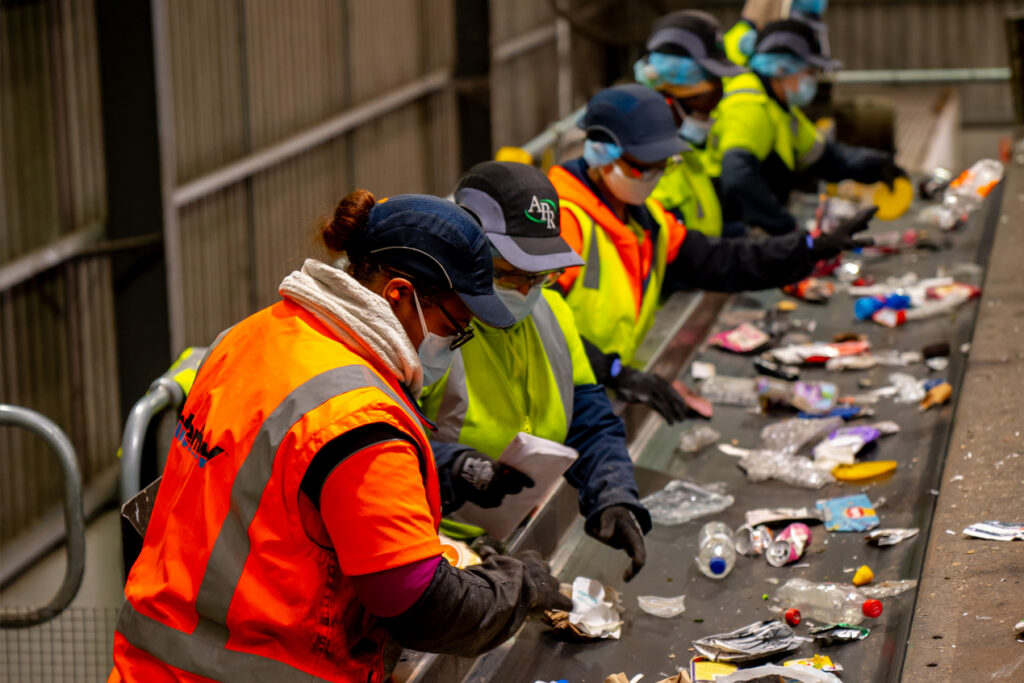
  • Recover materials at source
  • Sort to protect quality
  • Process through mechanical or advanced recycling
  • Reintroduce material as new products or polymers

Through pyrolysis, APR Recycling produces recycled polymer oil that can be refined into packaging-grade resins. These resins can be used to manufacture new flexible films, enabling true circularity.

What APR Recycling makes from recovered materials.

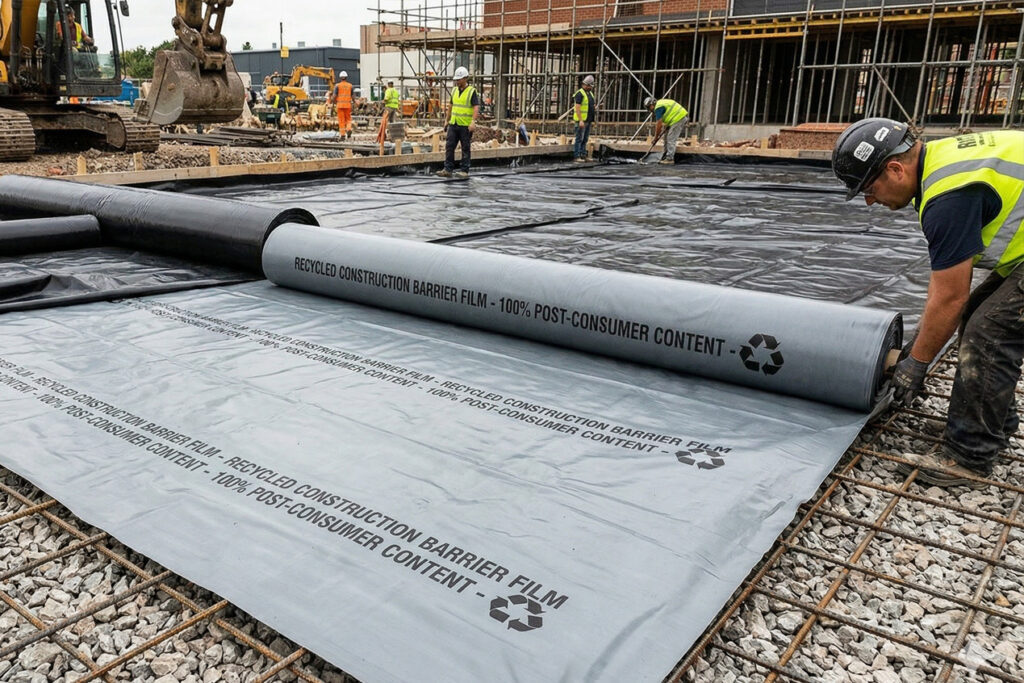
Recycled construction barrier film

Soft plastics collected through our programs are transformed into new film-grade polyethylene, including recycled builders’ film supplied to Australian wholesalers for more than a decade.

Unlike most recycled products, this material can be recycled again at end of life, keeping plastics circulating.

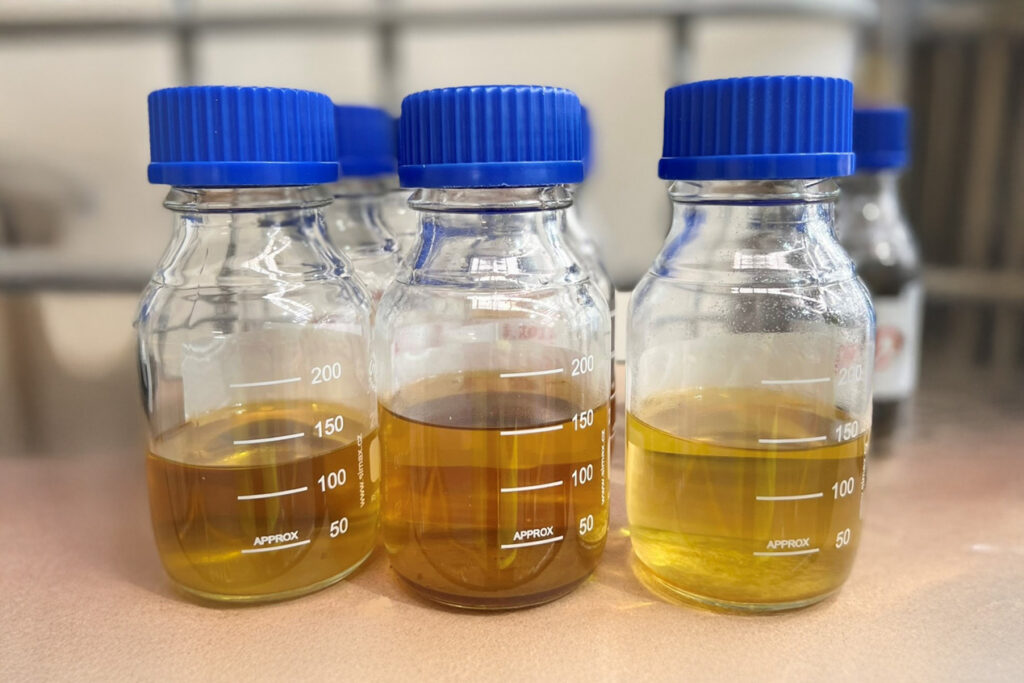
Recycled polymer oil

Our advanced recycling process converts complex plastics into recycled polymer oil. It is chemically comparable to virgin petrochemical oil and can be refined into resins and packaging materials, creating industrial supply chain resilience.

Environmental responsibility

No stockpiling. No export. No landfill-as-a-solution.

We handle the material we collect.

APR Recycling maintains stewardship of material throughout the system.
We do not warehouse plastics indefinitely or treat storage as a recycling outcome. Every tonne that enters the system has a destination and a purpose.

We treat environmental risk as a design requirement.

Our facilities use bunded storage, containment and independent emissions modelling to protect local environments. By processing and manufacturing domestically, we reduce transport emissions and create local jobs.

Social & economic impact

Recycling that strengthens supply chains and communities.

Australian jobs and manufacturing

APR Recycling’s operations support manufacturing, logistics and processing roles at every stage of the circular model. By investing in domestic production, we keep value in Australian communities rather than exporting it.

Procurement support for local governments

Councils partner with APR Recycling to meet landfill reduction targets, respond to community expectations and demonstrate responsible environmental investment. Our programs provide traceable data that supports procurement decisions and compliance requirements.

How we measure impact

Monthly reporting.

Commercial and industrial customers receive volume reports showing exactly how much material has been collected and processed.

Contamination and recovery metrics.

Council partners receive program-level performance insights that support education efforts, service improvements and procurement audits.

Our commitment

Recycling that withstands scrutiny.
APR Recycling has operated for more than two decades, expanding capabilities and scaling responsibly across Victoria and beyond. We do not build temporary programs or PR-led pilots. We build recycling infrastructure that works in the real world.

Partner with us

Create measurable circular outcomes.

If you’re ready to move beyond diversion and into circularity, we can help. Partner with APR Recycling to design infrastructure, recover materials, transform resources and build a sustainable future.