
A circular system designedto keep resources in Australia
By controlling every stage of the circular journey APR Recycling ensures materials are recovered and returned to the economy sustainably and at scale.
The 5-step APR Recycling process
From collection to product creation
Collection: recover materials where they are generated
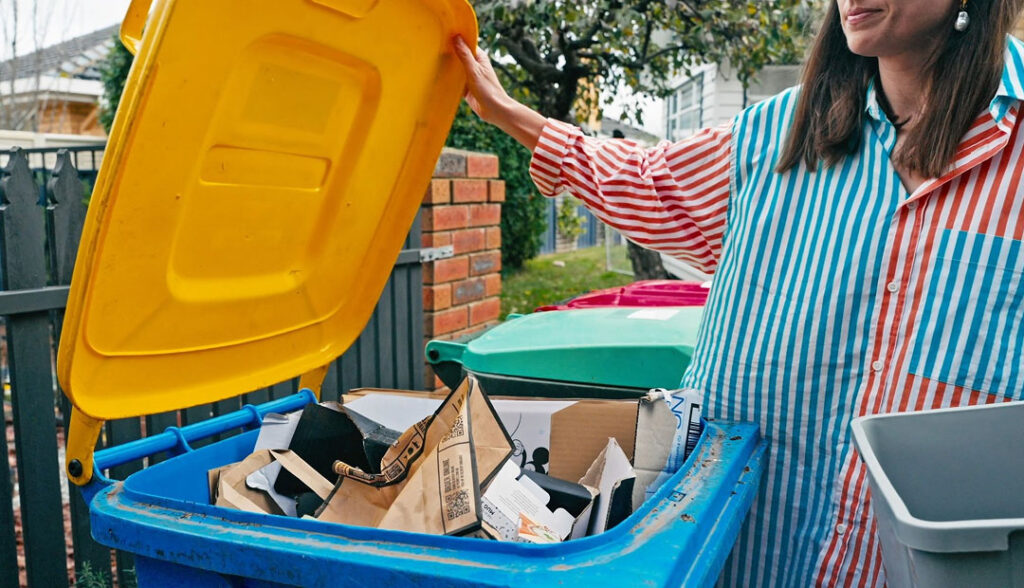
Kerbside programs built for councils
APR Recycling partners with local governments to collect commingled recyclables from residents.
We combine education, contamination management and community compliance to protect material value and improve recovery rates.
- Residential bin services
- Council resource education
- E-waste separation guidance
- Local drop-off programs (where available)
Commercial and industrial recovery
For warehouses, manufacturers, retail and logistics, we design systems that recover recyclable material at source.
- Segregated collection bins
- Fit-for-purpose equipment
- On-site recycling infrastructure
- Transparent service schedules
Sorting: preserve value and reduce contamination
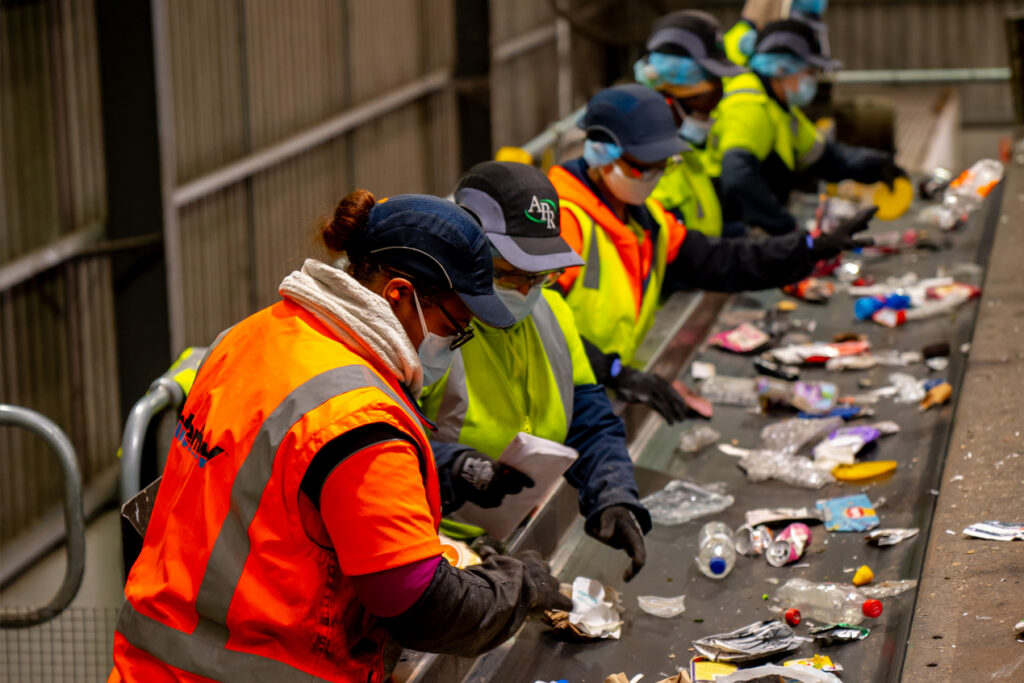
Protecting the quality of recyclable materials.
Materials collected through APR Recycling streams are sorted using controlled processes to ensure quality.
Segregation prevents cross-contamination, increases yield and makes downstream transformation significantly more efficient.
We sort:
- Cardboard
- Commingle materials
- Soft plastics
Loose soft plastics never enter commingled streams.
They are extracted or collected separately to avoid equipment damage and contamination.
Processing: convert materials into new resources
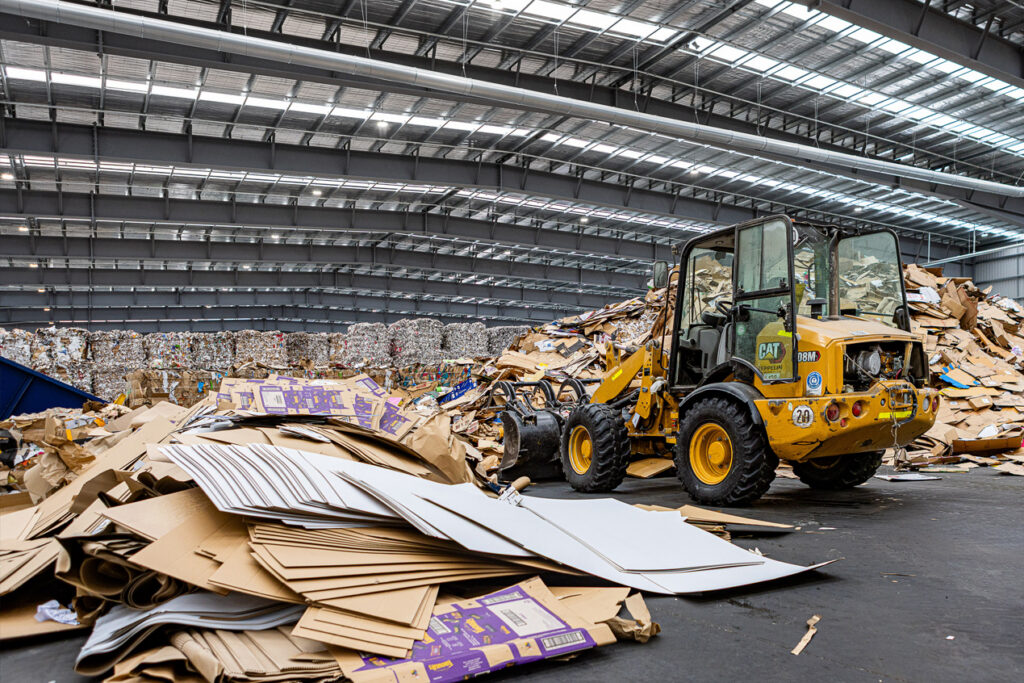
Traditional recycling.
Clean materials such as cardboard and rigid plastics can be recycled.
We bale, and prepare them for use in manufacturing, supply chains or product creation.
Advanced recycling: solve what other systems can't
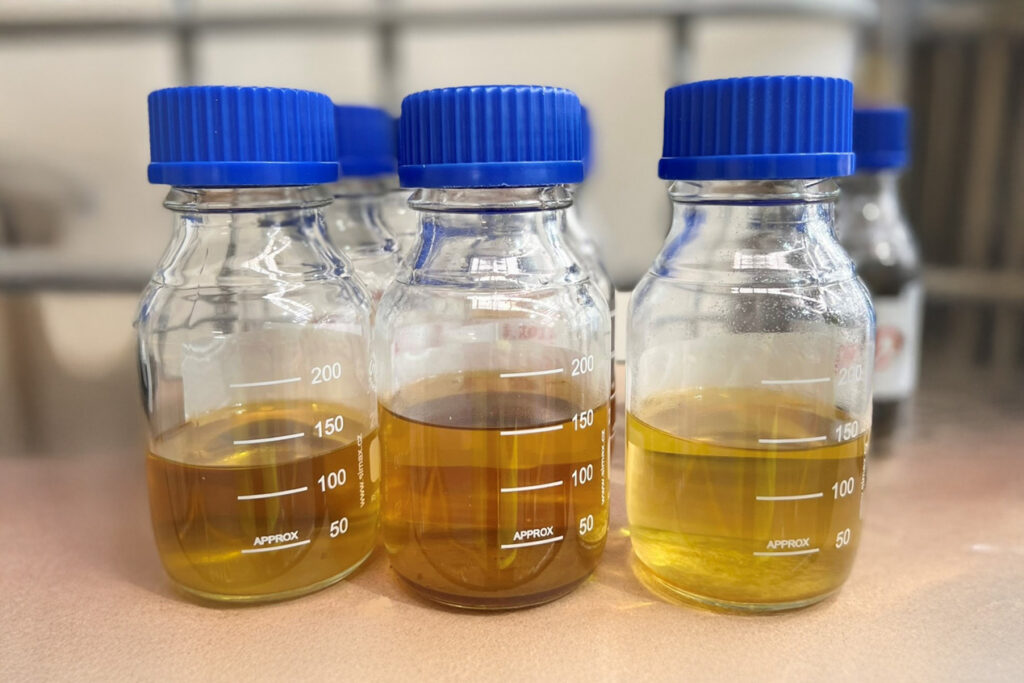
Pyrolysis for soft plastics
Soft plastics are processed through a closed-loop pyrolysis system that breaks them down at the molecular level.
The output is recycled polymer oil that can be refined into resins identical to those produced from virgin fossil fuels.
Why this matters
Advanced recycling complements mechanical recycling, not replaces it:
- Handles mixed or contaminated soft plastics
- Maintains material integrity
- Enables multi-cycle reuse
- Reduces reliance on virgin petrochemicals
- Diverts plastics from landfill or export
Product creation: materials re-enter the economy
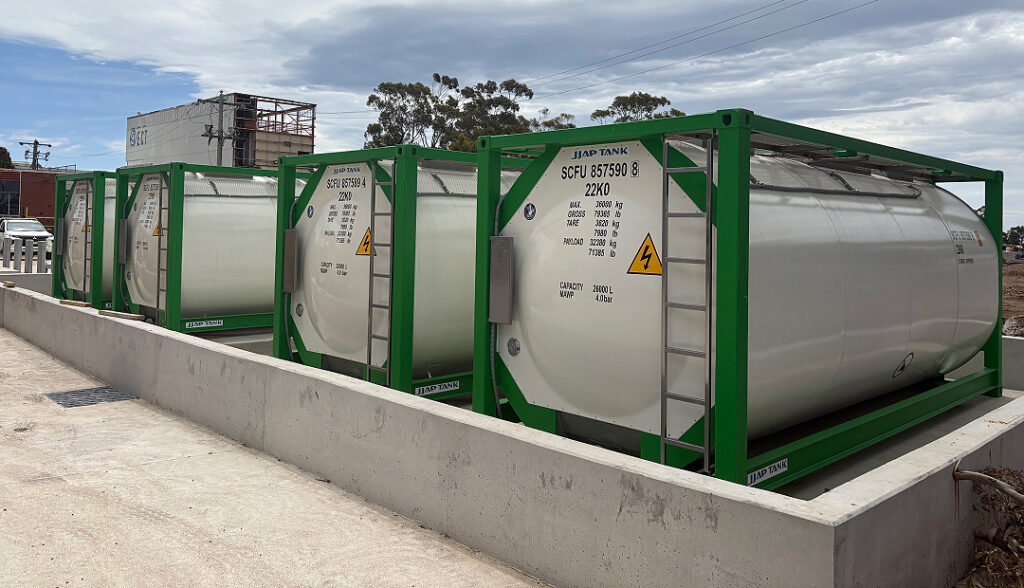
Recycled polymer oil
Recycled polymer oil is supplied to refineries to produce new resins.
It is chemically identical to virgin material, enabling circularity at industrial scale.
All products produced are fit for purpose.
What APR accepts
Carboard
Paper
Metal
Rigid Plastics
PP (Polypropylene) #5
LDPE #4
HDPE #2
What APR accepts
Soft plastics: scrunchable films only
APR’s pyrolysis process is best suited for polyolefins:
PP (Polypropylene) #5
If it can be scrunched in your hand, it can be processed.
What we cannot accept:
Rigid plastics
(diverted to MRF if received)
PET
(diverted to MRF if received)
PVC
Contaminated film stock
(with oil, paint or hazardous chemicals)
Non-compatible plastics are diverted to mechanical or appropriate disposal streams.
Frequently asked questions
Kerbside FAQs
Do containers need to be washed?
Containers must be empty. Rinse, tip or scrape food/liquid before placing it in the recycling bin.
Which plastics are accepted in yellow-lidded bins?
- Bottles with code 1 or 2
- Containers with code 5
If an item has no label or number, place it in general waste.
Are glass bottles allowed?
No. These are collected separately through purple-lidded bins.
Advanced Recycling FAQs
What is APR's advanced recycling facility?
It is a demonstration-scale pyrolysis plant designed to process up to 10 tonnes of soft plastics per day into recycled synthetic oil.